
Gu Yu: April 20, 2025
Latest posts
-
-
 24 Solar Terms – Spring Equinox (The 4th Solar Term of Spring)Read more
Spring Equinox: March 20, 2025
-
 24 Solar Terms – Awakening of Insects (Third Solar Term of Spring)Read more
Awakening of Insects: March 5, 2025 to March 19, 2025
-
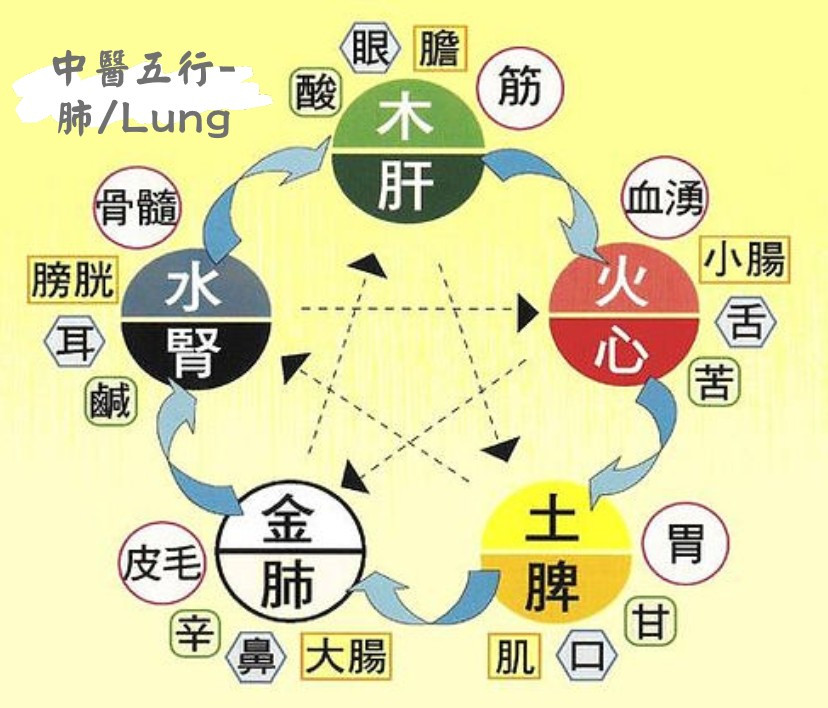 Descriptions of the Lungs in Traditional Chinese Medicine (TCM)Read more
Descriptions of the Lungs in Traditional Chinese Medicine (TCM)
-
 24 Solar Terms – "Rain Water" (The second solar term of spring)Read more
Rain Water: February 18, 2025 to March 4, 2025
-
 24 Solar Terms – Minor Cold (the fifth solar term in winter)Read more
Minor Cold: January 5, 2025, to January 19, 2025
-
 24 Solar Terms – Winter Solstice (the fourth solar term of winter)Read more
Winter Solstice: December 21 to December 30, 2024
-
-

-
Blog categories
Search in blog
24 Solar Terms – Gu Yu (The 6th Solar Term of Spring)
24 Solar Terms – Gu Yu (The 6th Solar Term of Spring)
Gregorian Calendar: April 20, 2025
Lunar Calendar: March 23th
Solar Longitude: 30°
穀雨 (Gu Yu) its name translates to "Grain Rain," signifying increased rainfall that benefits the growth of grains and other crops. It marks the final solar term of spring, transitioning into summer, with rising temperatures and humid conditions.
Guidelines for Health Preservation:
Dietary Recommendations:
- Avoid cold and raw foods (e.g., iced drinks, sashimi, refrigerated fruits and vegetables) to protect spleen health and prevent dampness.
- Limit fatty, greasy, and heavy foods (e.g., fried dishes, fatty meats, barbecue, excessive hotpot, sweets) as they may cause dampness and phlegm.
- Reduce spicy and heating foods (e.g., chili, fried dishes, durian, mango, lychee) to prevent damp-heat and liver issues.
- Refrain from consuming "trigger foods" (e.g., seafood) that might cause allergies or worsen dampness.
Lifestyle Adjustments:
- Early to bed, early to rise: Align with the growth of yang energy, boosting vitality and avoiding the depletion of liver yin and blood.
- Guard against cold and dampness: Avoid removing winter clothes too soon, keep indoor spaces ventilated and dry, and manage humidity during rainy days.
- Gentle exercise: Choose activities like walking, Tai Chi, or yoga to promote blood circulation, unblock meridians, and expel dampness. Light sweating is ideal, avoiding intense perspiration.
Health Impacts of Gu Yu Climate:
- Impact on Spleen: Increased dampness weakens the spleen, causing symptoms such as poor appetite, indigestion, bloating, sticky stool, fatigue, and even water retention.
- Liver Energy: Excessive liver energy can lead to emotional fluctuations, irritability, insomnia, dry throat, red eyes, and bitterness in the mouth.
- Joint Issues: Damp conditions may exacerbate joint pain, especially in older individuals or those prone to coldness.
- Skin Concerns: Damp-heat environments encourage bacterial and fungal growth, leading to skin problems such as eczema and acne.
- Respiratory Problems: High humidity and temperature shifts increase the risk of colds, coughs, and asthma.
Aromatherapy Suggestions:
- Use Happiness (Flower) and Happiness (Wood) essential oils to regulate emotions and relieve liver-related stress.
- Massage acupoints with Zhen3 (Lymphatic Detox) aromatherapy oils, like Zusanli (健脾), Sanyinjiao (祛湿), and Taichong (平肝降火) to boost immunity and alleviate dampness.
- Apply Autumn (Antiallergy) aromatherapy oils and Zhen3 (Lymphatic Detox) aromatherapy oils, to protect skin and joints, preventing allergies and damp-related conditions during Gu Yu.
Key Focus: Strengthen immunity, dispel dampness, invigorate the spleen, and promote liver balance during this period.
Essential Oil Usage Precautions:
1. Do not ingest undiluted pure essential oils.
2. Do not apply pure essential oils directly to the skin unless guided by a professional aromatherapist.
3. Avoid getting essential oils in the eyes. If accidental contact occurs, rinse immediately with water.
4. Do not use single essential oils for long periods or in excessive amounts.
5. Pregnant women, infants, the injured or ill, and those with chronic conditions should consult a professional doctor or aromatherapist before using essential oils.
6. Individuals with sensitive constitutions should conduct an essential oil sensitivity test before use.
Posted in:
The 24 Solar Terms
Related posts
-
 Minor Snow (The Second Solar Term of Winter)
Minor Snow: November 22 to December 5, 2024Read more
Minor Snow (The Second Solar Term of Winter)
Minor Snow: November 22 to December 5, 2024Read more -
 Major Snow (the third solar term of winter)
Major Snow: December 6 to December 20, 2024Read more
Major Snow (the third solar term of winter)
Major Snow: December 6 to December 20, 2024Read more -
24 Solar Terms – Winter Solstice (the fourth solar term of winter)
Winter Solstice: December 21 to December 30, 2024Read more
-
24 Solar Terms – Minor Cold (the fifth solar term in winter)
Minor Cold: January 5, 2025, to January 19, 2025Read more
-
24 Solar Terms – "Rain Water" (The second solar term of spring)
Rain Water: February 18, 2025 to March 4, 2025Read more
Leave a comment