Gu Yu: April 20, 2025
Latest posts
-
-
 24 Solar Terms – Spring Equinox (The 4th Solar Term of Spring)Read more
Spring Equinox: March 20, 2025
-
 24 Solar Terms – Awakening of Insects (Third Solar Term of Spring)Read more
Awakening of Insects: March 5, 2025 to March 19, 2025
-
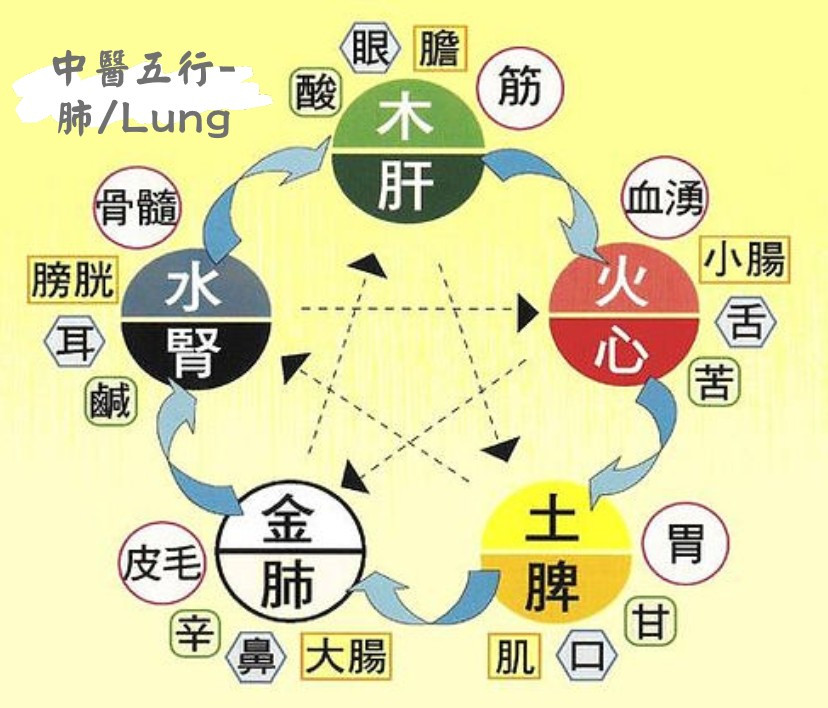 Descriptions of the Lungs in Traditional Chinese Medicine (TCM)Read more
Descriptions of the Lungs in Traditional Chinese Medicine (TCM)
-
 24 Solar Terms – "Rain Water" (The second solar term of spring)Read more
Rain Water: February 18, 2025 to March 4, 2025
-
 24 Solar Terms – Minor Cold (the fifth solar term in winter)Read more
Minor Cold: January 5, 2025, to January 19, 2025
-
 24 Solar Terms – Winter Solstice (the fourth solar term of winter)Read more
Winter Solstice: December 21 to December 30, 2024
-
-

-
Blog categories
Search in blog
Integrating Aromatherapy into Traditional Chinese Health Practices
The constitution of an individual plays a crucial role in determining their susceptibility to diseases and the types of illnesses they may develop. Each person possesses unique constitutional characteristics shaped by genetics and lifestyle factors, which are closely linked to various health conditions. This is why one person may develop high cholesterol while another suffers from cancer.
Some individuals recover from colds quickly, while others take much longer. Constitution not only influences disease progression but also affects the course of illness, explaining why people with the same condition may experience vastly different outcomes. Some may recover swiftly, while others may face prolonged illness, deterioration, or even fatal consequences. While disease progression is influenced by severity and treatment effectiveness, constitutional factors play a significant role in determining health outcomes.
A person's constitution is shaped by genetic inheritance, age, and gender, leading to unique physiological attributes. However, external factors such as environment, nutrition, work, education, and illness can also influence constitution, allowing for changes over time. Thus, constitution is both an inherent trait and a dynamic characteristic that can be adjusted through proper care.
By understanding one's constitution before falling ill and taking proactive measures to improve it, individuals can prevent or delay the onset of diseases.
- Strong Constitution: Greater resistance to illness, quicker recovery from diseases.
- Weak Constitution: Higher susceptibility to illness, prolonged recovery, and increased risk of complications.
Subcategories
-
Aromatherapy &...
Qi deficiency is a state in which the body's energy is insufficient, characterized by weakened functions of the heart, lungs, spleen, and kidneys. This constitutional condition can be present across all age groups, with varying manifestations among different populations.
General Characteristics
- Lack of vital energy, shallow breathing, fatigue, shortness of breath, and excessive sweating.
Physical Traits
- Soft, untoned muscles.
Common Manifestations
- Weak voice, reluctance to speak, persistent fatigue, low spirits, easy sweating, pale red tongue with teeth marks on its edges, and weak pulse.
Adaptation to External Environments
- Poor tolerance to wind, cold, and heat.
Types of Qi Deficiency
Qi deficiency is commonly classified into three categories based on the affected organs:
Upper Jiao Qi Deficiency: Heart & Lung Qi Deficiency
- Heart Qi Deficiency: Lethargy, reluctance to move or speak, persistent fatigue, palpitations, excessive sweating, enlarged tongue with pale color, and weak pulse.
- Lung Qi Deficiency: Frequent colds, excessive sweating, weak legs, soft voice, difficulty speaking for long periods, and skin sensitivity.
Middle Jiao Qi Deficiency: Spleen & Stomach Qi Deficiency
- Spleen & Stomach Qi Deficiency: Good appetite but difficulty gaining weight, loose stools, prolonged bowel movements, yellowish complexion, low energy, and teeth marks on the tongue.
Lower Jiao Qi Deficiency: Kidney Qi Deficiency
- Kidney Qi Deficiency: High psychological stress, excessive worrying, unstable blood pressure, dizziness, blurred vision, tinnitus, lower back weakness, frequent nighttime urination, and poor sleep quality.
Psychological Characteristics of Qi Deficiency
People with Qi Deficiency tend to be introverted, timid, and cautious, preferring stability over adventure. While they appear calm and grounded, they may lack liveliness.
- Lack of vital energy, shallow breathing, fatigue, shortness of breath, and excessive sweating.
-
Aromatherapy &...
Yang deficiency occurs when the body's yang energy is insufficient, leading to a lack of warmth and vitality. It is associated with kidney yang deficiency, resulting in a low level of life force, susceptibility to fatigue, muscle soreness, and sensitivity to cold. Those with a yang-deficient constitution often appear to have low metabolic fire, experiencing cold sensations in the body or limbs.
Physiological Characteristics of Yang Deficiency
- Overall traits: Insufficient yang energy, primarily characterized by cold intolerance, cold hands, and feet.
- Body composition: Soft and loose muscles.
- Common symptoms: Frequent cold intolerance, cold hands and feet, preference for warm foods, fatigue, pale swollen tongue, deep and slow pulse.
- Environmental adaptation: Can tolerate summer but struggles in winter; susceptible to wind, cold, and dampness.
Psychological Traits of Yang Deficiency
- Tends to be quiet and introverted.
-
Aromatherapy &...
Yin deficiency primarily manifests as a depletion of bodily fluids such as essence, blood, and other Yin liquids. It can be broadly understood as a lack of hydration in the body. With insufficient water, internal heat easily builds up, leading to symptoms such as irritability and restlessness. The defining traits of a Yin-deficient constitution include:
Physiological Characteristics
- General Traits: Deficiency of Yin liquids, dry mouth and throat, warm palms and soles.
- Physical Appearance: Lean body shape.
- Common Symptoms: Warm hands and feet, dry mouth and throat, slightly dry nose, preference for cold drinks, dry stools, red tongue with little moisture, fine and rapid pulse.
- Environmental Adaptability: Tolerant of cold but sensitive to heat, unable to withstand summer heat and dryness.
Psychological Traits
- Emotional tendencies: Impatient, outgoing, energetic, and active.
-
Aromatherapy &...
Phlegm-Damp Constitution
Many diseases arise due to phlegm. In traditional Chinese medicine (TCM), "phlegm" refers not only to mucus expelled from the respiratory tract but also to waste produced due to impaired fluid metabolism. This phlegm circulates through the body along with qi and blood, accumulating in different areas and triggering various ailments.Fluid metabolism in the human body is closely linked to the lungs, spleen, and kidneys. Any dysfunction or imbalance among these organs can lead to poor fluid circulation, resulting in a phlegm-damp constitution.
Physical Characteristics of a Phlegm-Damp Constitution
General Traits: Phlegm accumulation, obesity, abdominal fullness, sticky mouth and greasy tongue coating.
Body Type: Overweight, soft and flabby abdomen.
Common Symptoms: Oily facial skin, excessive and sticky sweating, chest tightness, excessive phlegm, sticky or sweet taste in the mouth, preference for rich and greasy foods, thick tongue coating, slippery pulse.
Environmental Adaptability: Poor tolerance to humid and hot environments.
Psychological Traits
Mild-tempered, steady, patient, and tolerant
-
Aromatherapy &...
Damp-Heat Constitution 1. External Factors: Invasion of external dampness and pathogenic heat into the body. 2. Internal Factors: Digestive dysfunction in the spleen and stomach leading to the retention of dampness, making the body feel unclean, moist, and excessively warm—this is known as a damp-heat constitution.
General Characteristics:
Internal damp-heat accumulation, oily complexion, bad breath, bitter taste in the mouth, yellow and greasy tongue coating, strong body odor, foul-smelling stools and urine, yellowish vaginal discharge.
Physical Traits:
Medium or slim body build.
Common Symptoms:
Oily skin, prone to acne, bitter and dry mouth, heaviness and fatigue, sticky or dry constipation, short and yellowish urine, slightly red tongue with yellow greasy coating, rapid and slippery pulse.
Environmental Adaptability:
Difficulty adapting to damp and hot climates, especially in late summer and early autumn or warm, humid environments.
Psychological Traits:
Easily irritable, prone to frustration, anxiety, and anger.
-
Aromatherapy &...
Qi depression constitution is caused by insufficient liver function in regulating qi movement, leading to stagnation and emotional distress. People with this constitution tend to experience mood swings, sensitivity, and emotional vulnerability.
Characteristics of Qi Depression Constitution
General Features: Qi stagnation, depressed demeanor, fragile disposition.
Physical Traits: Usually thin and weak.
Common Manifestations: Depressed mood, emotional fragility, irritability, lack of joy. The tongue is pale red with thin white coating, and the pulse is wiry.
Adaptability to the Environment: Poor adaptability to mental stress, discomfort in rainy weather.
Psychological Traits
Emotional Instability: Prone to anxiety, irritability, sensitivity, and suspicion.
-
Aromatherapy &...
Blood stasis constitution arises due to poor circulation or internal blood stagnation, characterized mainly by blood stasis, which leads to various pain-related conditions. The pain tends to be persistent and occurs in fixed locations.
General Characteristics:
Poor blood circulation, dull complexion, dark-purple tongue.
Physical Traits:
Seen in both overweight and thin individuals.
Common Symptoms:
Dull complexion, pigmentation, prone to bruising, dark lips, dark tongue or spots on the tongue, sublingual veins appearing dark purple or thickened, choppy pulse.
Environmental Adaptability:
Sensitive to cold and unable to tolerate cold invasion.
Psychological Traits:
Unstable temperament, easily irritated, forgetful.