Gu Yu: April 20, 2025
Latest posts
-
-
 24 Solar Terms – Spring Equinox (The 4th Solar Term of Spring)Read more
Spring Equinox: March 20, 2025
-
 24 Solar Terms – Awakening of Insects (Third Solar Term of Spring)Read more
Awakening of Insects: March 5, 2025 to March 19, 2025
-
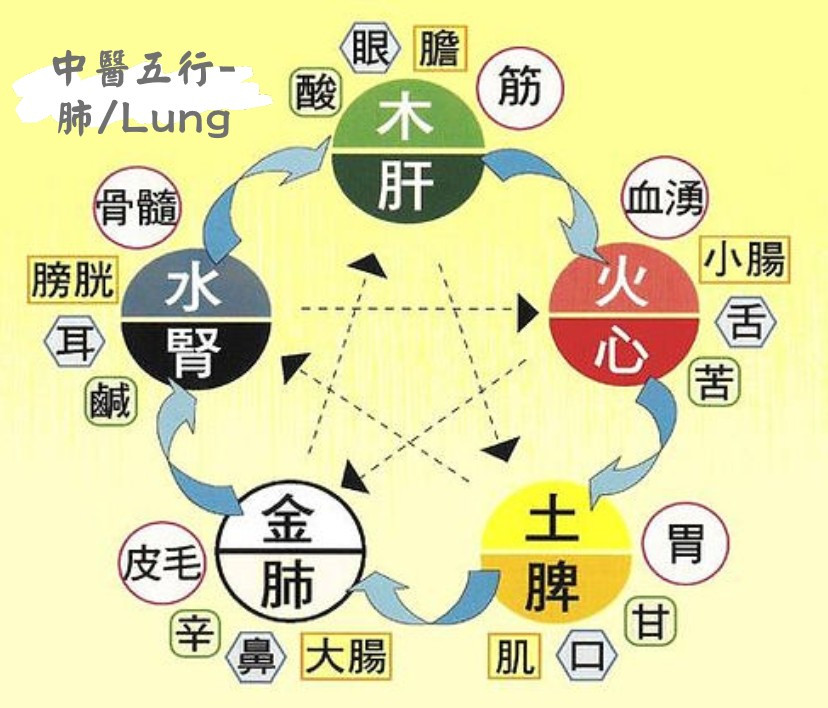 Descriptions of the Lungs in Traditional Chinese Medicine (TCM)Read more
Descriptions of the Lungs in Traditional Chinese Medicine (TCM)
-
 24 Solar Terms – "Rain Water" (The second solar term of spring)Read more
Rain Water: February 18, 2025 to March 4, 2025
-
 24 Solar Terms – Minor Cold (the fifth solar term in winter)Read more
Minor Cold: January 5, 2025, to January 19, 2025
-
 24 Solar Terms – Winter Solstice (the fourth solar term of winter)Read more
Winter Solstice: December 21 to December 30, 2024
-
-

-
Blog categories
Search in blog
Aromatherapy & Constitution-Based Wellness: Qi Deficiency
Qi deficiency is a state in which the body's energy is insufficient, characterized by weakened functions of the heart, lungs, spleen, and kidneys. This constitutional condition can be present across all age groups, with varying manifestations among different populations.
General Characteristics
- Lack of vital energy, shallow breathing, fatigue, shortness of breath, and excessive sweating.
Physical Traits
- Soft, untoned muscles.
Common Manifestations
- Weak voice, reluctance to speak, persistent fatigue, low spirits, easy sweating, pale red tongue with teeth marks on its edges, and weak pulse.
Adaptation to External Environments
- Poor tolerance to wind, cold, and heat.
Types of Qi Deficiency
Qi deficiency is commonly classified into three categories based on the affected organs:
Upper Jiao Qi Deficiency: Heart & Lung Qi Deficiency
- Heart Qi Deficiency: Lethargy, reluctance to move or speak, persistent fatigue, palpitations, excessive sweating, enlarged tongue with pale color, and weak pulse.
- Lung Qi Deficiency: Frequent colds, excessive sweating, weak legs, soft voice, difficulty speaking for long periods, and skin sensitivity.
Middle Jiao Qi Deficiency: Spleen & Stomach Qi Deficiency
- Spleen & Stomach Qi Deficiency: Good appetite but difficulty gaining weight, loose stools, prolonged bowel movements, yellowish complexion, low energy, and teeth marks on the tongue.
Lower Jiao Qi Deficiency: Kidney Qi Deficiency
- Kidney Qi Deficiency: High psychological stress, excessive worrying, unstable blood pressure, dizziness, blurred vision, tinnitus, lower back weakness, frequent nighttime urination, and poor sleep quality.
Psychological Characteristics of Qi Deficiency
People with Qi Deficiency tend to be introverted, timid, and cautious, preferring stability over adventure. While they appear calm and grounded, they may lack liveliness.