
Gu Yu: April 20, 2025
Latest posts
-
-
 24 Solar Terms – Spring Equinox (The 4th Solar Term of Spring)Read more
Spring Equinox: March 20, 2025
-
 24 Solar Terms – Awakening of Insects (Third Solar Term of Spring)Read more
Awakening of Insects: March 5, 2025 to March 19, 2025
-
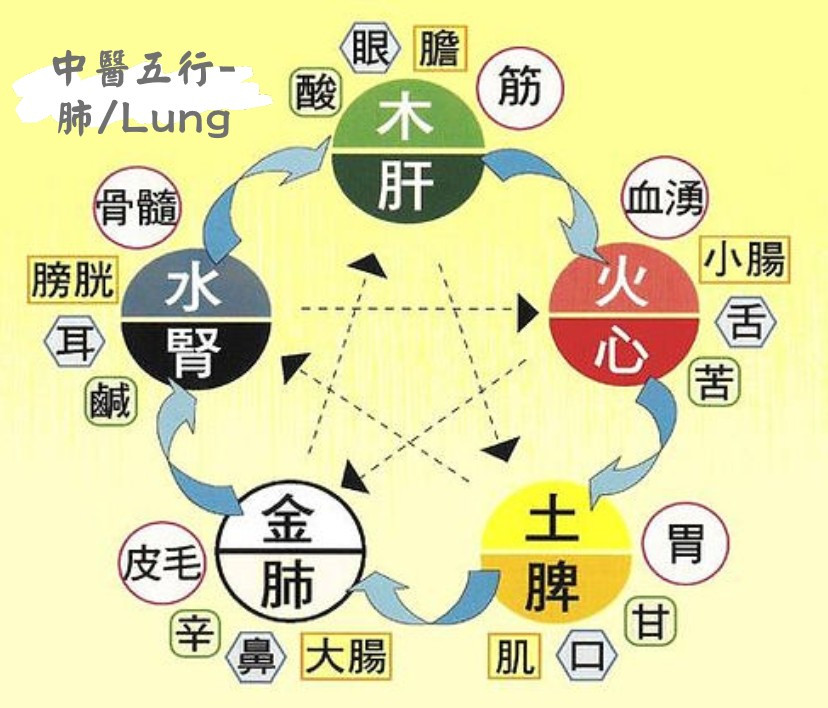 Descriptions of the Lungs in Traditional Chinese Medicine (TCM)Read more
Descriptions of the Lungs in Traditional Chinese Medicine (TCM)
-
 24 Solar Terms – "Rain Water" (The second solar term of spring)Read more
Rain Water: February 18, 2025 to March 4, 2025
-
 24 Solar Terms – Minor Cold (the fifth solar term in winter)Read more
Minor Cold: January 5, 2025, to January 19, 2025
-
 24 Solar Terms – Winter Solstice (the fourth solar term of winter)Read more
Winter Solstice: December 21 to December 30, 2024
-
-

-
Blog categories
Search in blog
Heart as described by Traditional Chinese Medicine
Main Physiological Functions of the Heart
1. Governing Blood Vessels: The heart, vessels, and blood form an independent system. The heart acts as the pump of this system, vessels are the pathways for blood flow, and blood circulates within the vessels, delivering nutrients throughout the body.
2. Governing Mental Activities: The heart governs mental activities, meaning it is responsible for a person’s spirit, consciousness, and thinking activities. When the heart’s function of governing blood vessels is normal, the supply of qi and blood is sufficient, leading to clear consciousness and agile thinking.
Heart Dysfunction
Since the heart is responsible for both the body’s circulatory function and mental activities, its dysfunction can affect the entire body. This can lead to poor complexion and symptoms related to the circulatory system, as well as sleep and mental disorders. The heart’s function is composed of four aspects: heart qi, heart yang, heart blood, and heart yin.
- Heart Qi Deficiency: When heart qi is insufficient, blood circulation worsens, leading to fatigue, pale complexion, palpitations, and shortness of breath.
- Heart Yang Deficiency: Insufficient heart yang, which provides heat and activity to the body, can cause symptoms of heart qi deficiency along with cold extremities, unexplained sweating, chest pain, and facial swelling.
- Heart Blood Deficiency: Insufficient heart blood can cause palpitations and, due to reduced mental activity, insomnia, frequent dreaming, forgetfulness, excessive anxiety, and dizziness.
- Heart Yin Deficiency: Insufficient heart yin can lead to overactivity of the heart, resulting in palpitations, anxiety, shallow sleep, and thirst.
Additionally, heart abnormalities can often lead to dysfunctions in the kidneys, spleen, and liver, so treatment must consider the impact on these organs as well.
Prevention and Health Care
- Maintain a cheerful mood and stay hopeful, as any negative or hopeless thoughts can easily lower heart function.
- Develop a healthy way of thinking and maintain stable emotions.
- Adequate rest and sleep are essential for maintaining heart health.
- Use aromatherapy massage oils from the Heart Meridian (Fire) and Small Intestine Meridian (Fire) for daily health care and maintenance.
Posted in:
Traditional Chinese Medicine Aromatherapy
Related posts
-
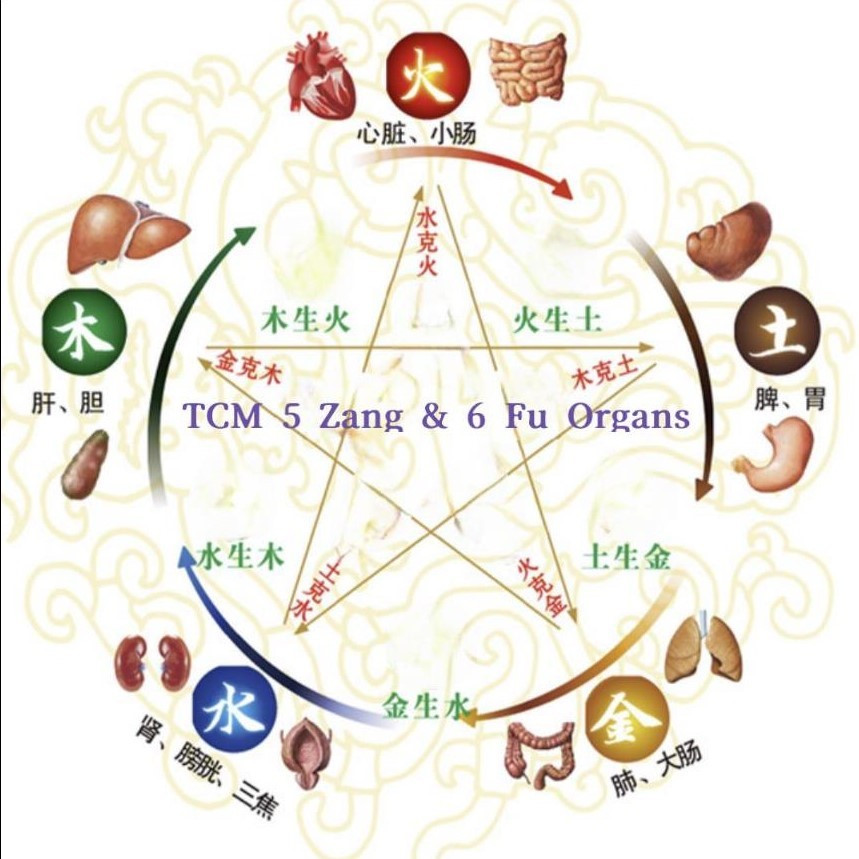 What are the "internal organs" in TCM?
Read more
What are the "internal organs" in TCM?
What are the "internal organs" in TCM?Read more -
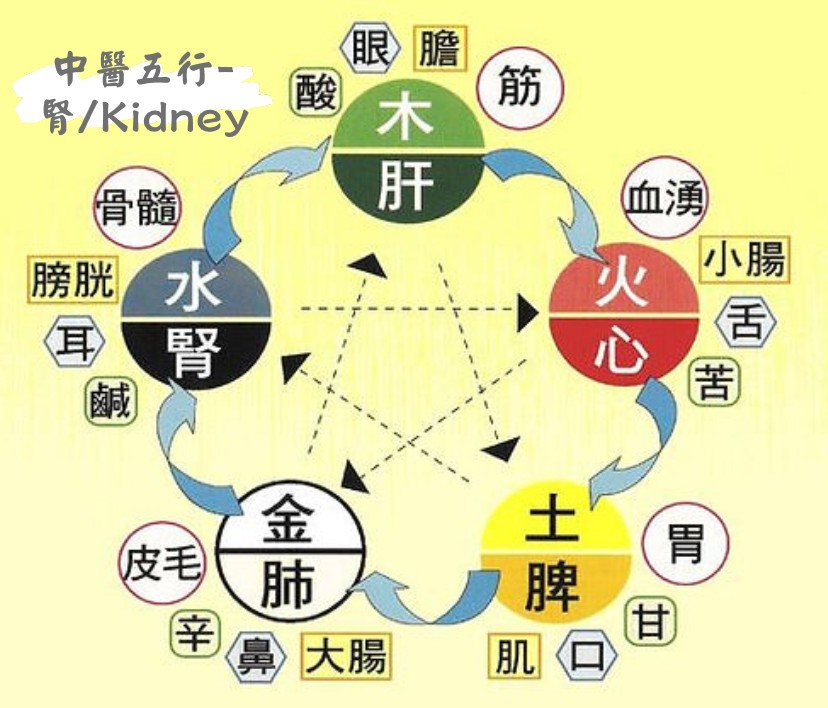 Kidneys as described by Traditional Chinese Medicine
Read more
Kidneys as described by Traditional Chinese Medicine
Kidneys as described by Traditional Chinese MedicineRead more -
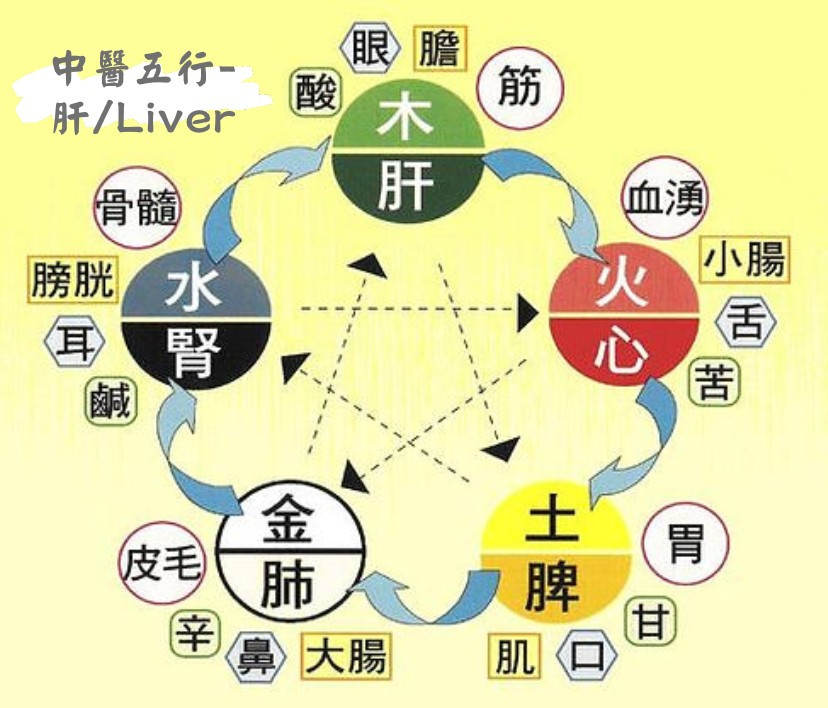 Liver as described by Traditional Chinese Medicine
Read more
Liver as described by Traditional Chinese Medicine
Liver as described by Traditional Chinese MedicineRead more -
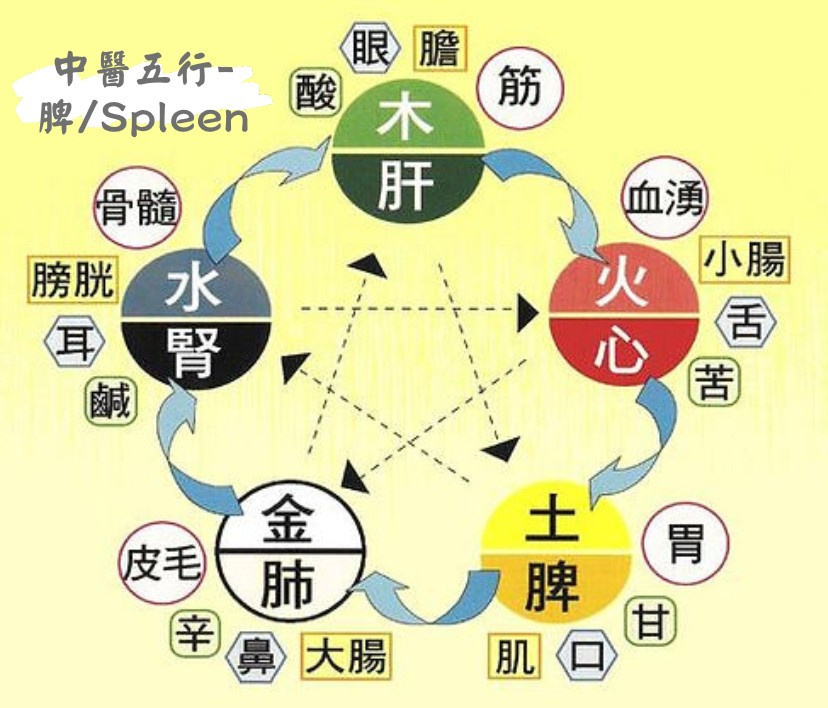 Spleen as described by Traditional Chinese Medicine
Read more
Spleen as described by Traditional Chinese Medicine
Spleen as described by Traditional Chinese MedicineRead more -
Descriptions of the Lungs in Traditional Chinese Medicine (TCM)
Descriptions of the Lungs in Traditional Chinese Medicine (TCM)Read more
Leave a comment