
Gu Yu: April 20, 2025
Latest posts
-
-
 24 Solar Terms – Spring Equinox (The 4th Solar Term of Spring)Read more
Spring Equinox: March 20, 2025
-
 24 Solar Terms – Awakening of Insects (Third Solar Term of Spring)Read more
Awakening of Insects: March 5, 2025 to March 19, 2025
-
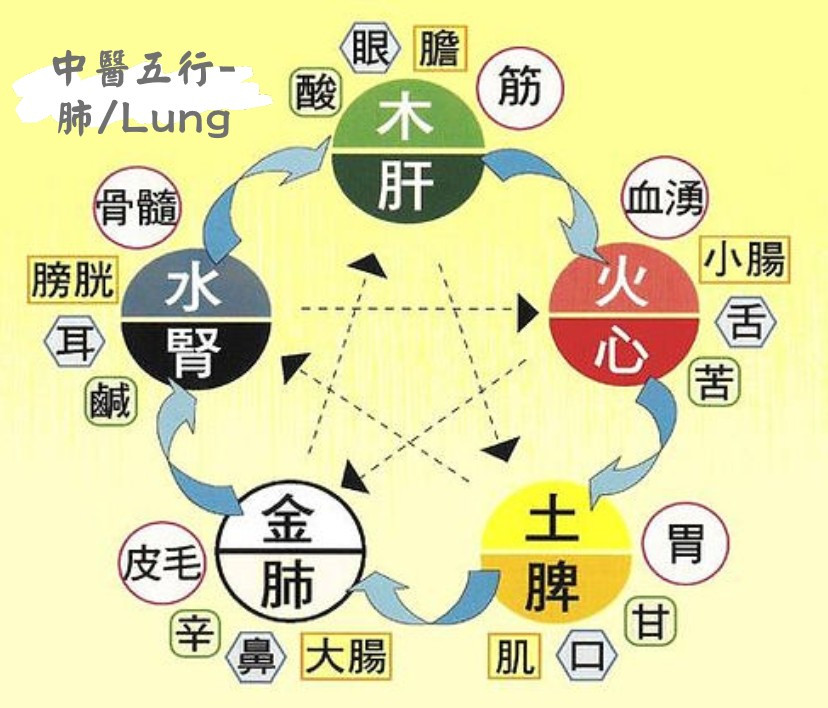 Descriptions of the Lungs in Traditional Chinese Medicine (TCM)Read more
Descriptions of the Lungs in Traditional Chinese Medicine (TCM)
-
 24 Solar Terms – "Rain Water" (The second solar term of spring)Read more
Rain Water: February 18, 2025 to March 4, 2025
-
 24 Solar Terms – Minor Cold (the fifth solar term in winter)Read more
Minor Cold: January 5, 2025, to January 19, 2025
-
 24 Solar Terms – Winter Solstice (the fourth solar term of winter)Read more
Winter Solstice: December 21 to December 30, 2024
-
-

-

Blog categories
Search in blog
Kidneys as described by Traditional Chinese Medicine
Main Physiological Functions of the Kidneys
1. Storing Essence: Responsible for growth, development, and reproduction.
Essence:
- Inherited essence from parents.
- Essence (nutrients) absorbed from food.
2. Governing Water: The kidneys are the organs of water, responsible for managing body fluids.
Body Fluids:
Processed by the spleen.
Regulated by the lungs.
Distributed by the liver.
Separated by the triple energiser.
Finally, transformed by the kidneys’ qi transformation function.
These beneficial substances are then distributed throughout the body, while waste is converted into sweat and urine and excreted. The kidneys’ qi transformation function plays a crucial role in the distribution, excretion, and balance of body fluids.
3. Receiving Qi: Although breathing is primarily managed by the lungs, the natural qi inhaled by the body must descend to the kidneys. The kidneys’ qi then holds it, ensuring that breathing maintains a certain depth and allows for normal gas exchange within the body.
Kidney Dysfunction
The kidneys are the root of vitality. If they become abnormal, it can affect growth, reproductive functions, and the balance of yin and yang in the body, leading to systemic symptoms.
- Kidney Yin Deficiency: Caused by insufficient body fluids, leading to systemic symptoms such as dizziness, tinnitus, lumbar fatigue, weakness in the legs, sluggish movements, dryness, and a sensation of heat. Kidney yin deficiency can also affect the liver, lungs, and heart, causing symptoms like headaches, blurred vision, dry cough, thirst, palpitations, and insomnia.
- Kidney Yang Deficiency: Caused by insufficient heat, leading to systemic symptoms such as dizziness, tinnitus, lumbar fatigue, weakness in the legs, sluggish movements, pale complexion, lack of vitality, reduced reproductive function, fear of cold, cold hands and feet, frequent urination, and polyuria. If it affects the spleen and heart, it can cause watery stools, poor appetite, and edema.
Causes
Both kidney yin and yang deficiencies can be caused by overwork, poor diet, irregular lifestyle, and excessive consumption.
Prevention and Health Care
To prevent kidney dysfunction, it is essential to pay attention to lifestyle, work, and dietary habits. Additionally, using aromatherapy massage oils from the Kidney Meridian (Water) and Bladder Meridian (Water) in the 12 meridians for daily health care and maintenance can be beneficial.
Posted in:
Traditional Chinese Medicine Aromatherapy
Related posts
-
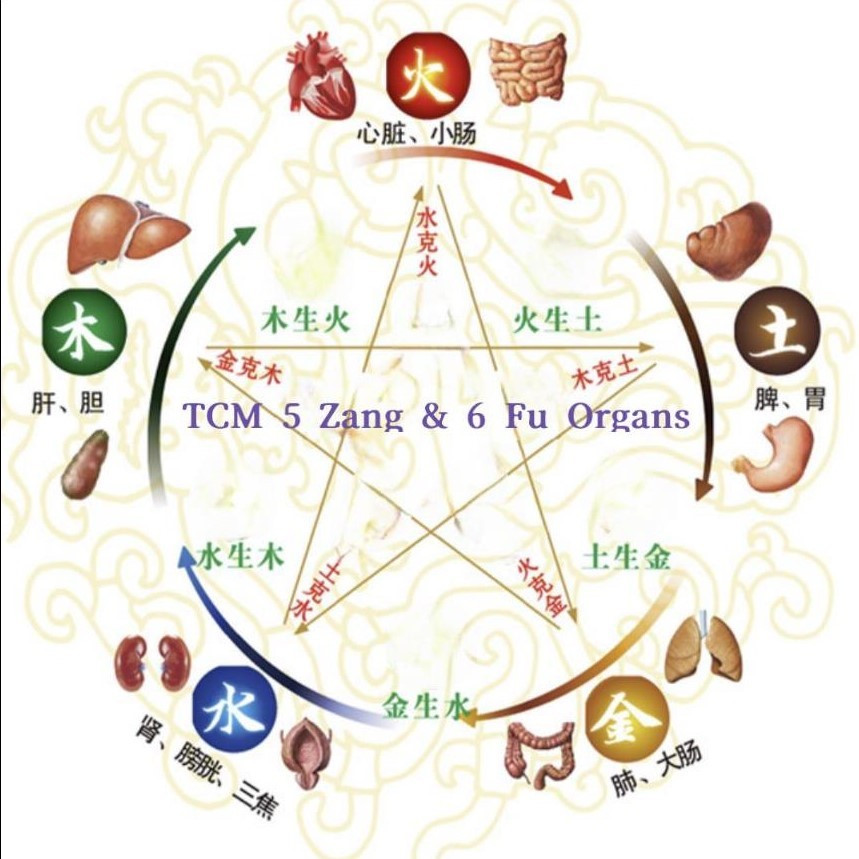 What are the "internal organs" in TCM?
Read more
What are the "internal organs" in TCM?
What are the "internal organs" in TCM?Read more -
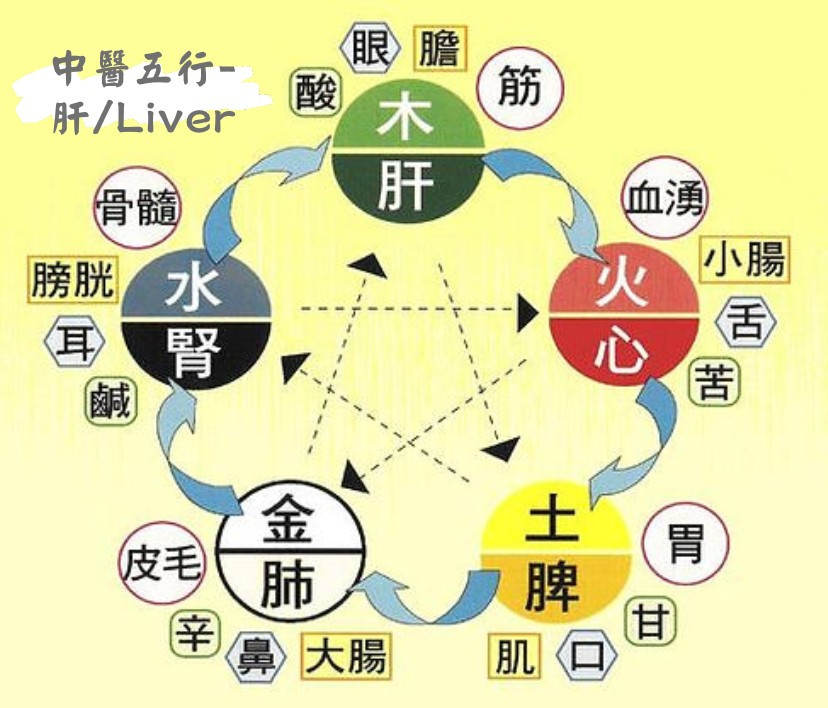 Liver as described by Traditional Chinese Medicine
Read more
Liver as described by Traditional Chinese Medicine
Liver as described by Traditional Chinese MedicineRead more -
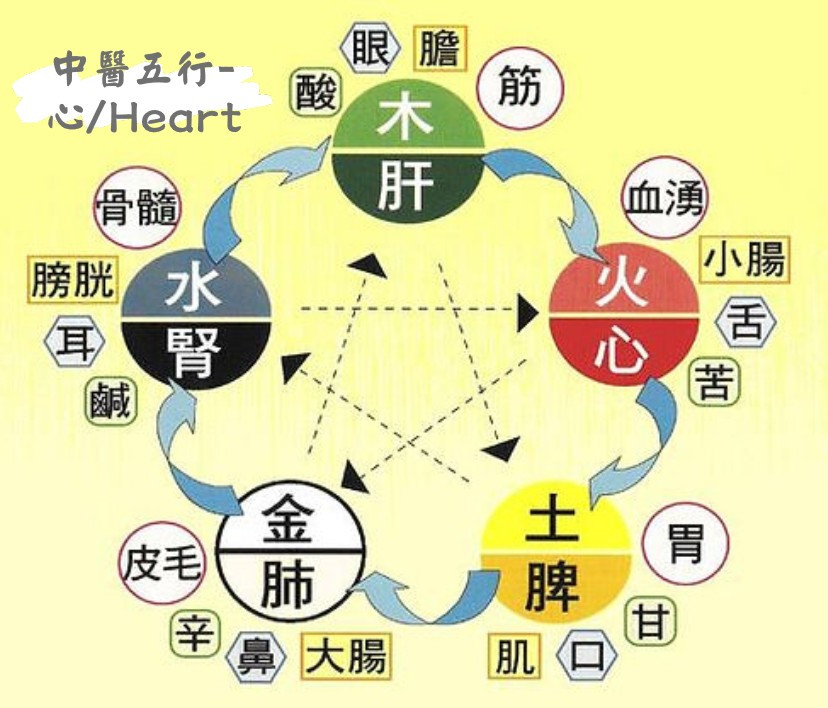 Heart as described by Traditional Chinese Medicine
Read more
Heart as described by Traditional Chinese Medicine
Heart as described by Traditional Chinese MedicineRead more -
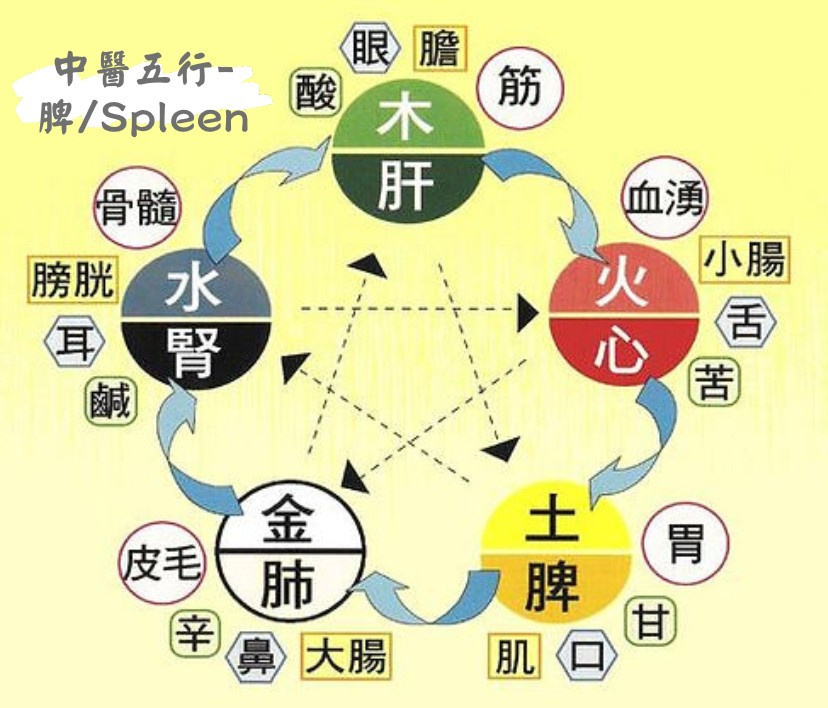 Spleen as described by Traditional Chinese Medicine
Read more
Spleen as described by Traditional Chinese Medicine
Spleen as described by Traditional Chinese MedicineRead more -
Descriptions of the Lungs in Traditional Chinese Medicine (TCM)
Descriptions of the Lungs in Traditional Chinese Medicine (TCM)Read more
Leave a comment